Preimplantation genetic testing is an advanced IVF technique used to evaluate embryos for genetic and chromosomal abnormalities before they are transferred into the uterus. This process helps in selecting healthy embryos, improving the chances of a successful pregnancy while reducing the risk of inherited conditions.
At Isha Women Hospital, we offer accurate and reliable PGT treatment as part of our fertility care, ensuring patients receive personalized guidance and ethical medical support throughout their journey.
These are advanced tests performed during an IVF cycle to check embryos for genetic or chromosomal abnormalities before they are transferred into the uterus. The goal is to select healthy embryos, improve pregnancy success rates, and reduce the risk of inherited genetic conditions.
PGT/PGS is recommended for women with recurrent miscarriages, couples with known genetic disorders, women above 35 years of age, couples with repeated IVF failure, and patients with a history of chromosomal abnormalities.
While both IVF and ICSI involve egg fertilization outside the body, the main distinction is in the method:
In IVF, eggs and sperms are mixed together, allowing sperm to naturally penetrate the egg.
In ICSI, a single healthy sperm is injected directly into the egg, increasing success rates, especially for men with low sperm count or motility.
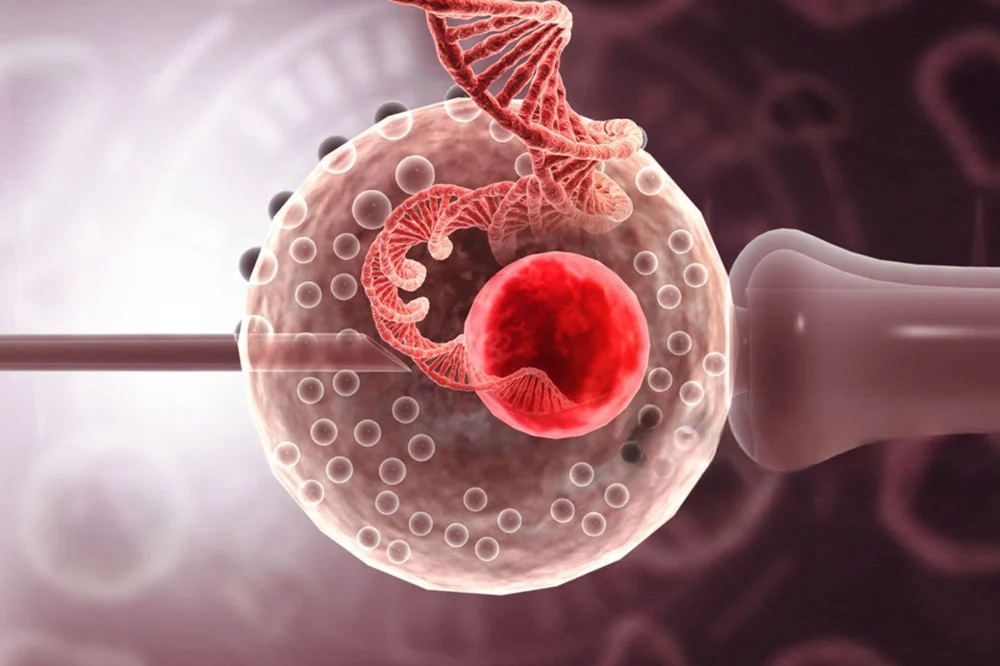
PGT-A (Preimplantation Genetic Testing for Aneuploidy) evaluates embryos for the correct number of chromosomes, reducing the risk of implantation failure.
PGT-M is used to detect specific inherited genetic disorders when one or both partners carry a known condition.
PGT-SR is recommended for patients with structural chromosomal rearrangements to ensure balanced embryos are selected.
Fertility medications are used to stimulate the ovaries and produce multiple healthy eggs for the IVF cycle.
Mature eggs are collected and fertilized with sperm in the laboratory to create embryos.
The fertilized embryos are carefully monitored for several days to ensure healthy growth.
A few cells are gently removed from each embryo for advanced genetic testing and evaluation.
The biopsied cells are analyzed to identify chromosomal or inherited genetic abnormalities.
Embryos without detected abnormalities are selected for the best possible pregnancy outcome.
The biopsied cells are analyzed to identify healthy embryos without abnormalities.
The selected healthy embryo is transferred into the uterus to achieve a successful pregnancy.
The doctor reviews medical history, fertility condition, and genetic risks before planning treatment.
Fertility medications help produce multiple eggs, which are then collected through a minor procedure.
The retrieved eggs are fertilized with sperm in the IVF laboratory to create embryos.
Embryos are cultured for 5–6 days, and a few cells are removed for genetic testing.
The embryos are screened for chromosomal abnormalities or inherited genetic disorders.
The healthiest embryo is selected and transferred into the uterus to achieve pregnancy.
The cost of PGT/PGS treatment in India varies based on the fertility centre, IVF procedure, and the type of genetic testing recommended. Since PGT is performed along with IVF, the total treatment cost may differ for every patient depending on their fertility condition and medical requirements.
The cost of PGT/PGS treatment in India varies based on the fertility centre, IVF procedure, and the type of genetic testing recommended. Since PGT is performed along with IVF, the total treatment cost may differ for every patient depending on their fertility condition and medical requirements.
Additional charges may include fertility medications, embryo freezing, donor programs, advanced laboratory procedures, repeated IVF cycles, or frozen embryo transfer (FET). Costs can also increase if multiple embryos require detailed genetic analysis.
Several factors influence the treatment cost, including patient age, fertility history, embryo quality, clinic experience, laboratory standards, and the type of PGT procedure such as PGT-A, PGT-M, or PGT-SR. The complexity of treatment may also affect the overall pricing.
Patients can manage treatment expenses by discussing personalized treatment plans, understanding package inclusions, and choosing only necessary procedures recommended by the fertility specialist. Early fertility consultation and proper planning can also help reduce additional treatment costs.
Preimplantation genetic testing is a procedure used in IVF to screen embryos for genetic or chromosomal abnormalities before transfer.
Yes, it is a safe procedure when performed by experienced specialists using advanced laboratory techniques.
It may improve implantation chances by selecting healthy embryos, but it does not guarantee pregnancy.
Couples with genetic disorders, recurrent miscarriages, or repeated IVF failures may benefit from this testing.
No, the procedure is done on embryos in the lab, so patients do not feel any pain.

At Isha Women Hospital, fertility care includes advanced evaluation, DNA fragmentation testing, and personalized treatment for both male and female fertility concerns. Our specialists ensure accurate diagnosis and comprehensive reproductive health management.
We also offer continuous monitoring, fertility counseling, and customized care based on each patient’s needs and long-term fertility goals, ensuring complete support throughout the treatment journey.
At Isha Women’s Hospital, we provide advanced ICSI treatment with experienced fertility specialists and a modern IVF & ICSI laboratory. Our team focuses on personalized care to give every couple the best possible treatment experience.
We are committed to ethical and transparent care, high success rates, and a comfortable patient-friendly environment. From consultation to treatment, we support you at every step of your parenthood journey.