PESA (Percutaneous Epididymal Sperm Aspiration) is a minimally invasive procedure used to collect sperm from the epididymis using a fine needle. It is commonly recommended for men with obstructive azoospermia caused by a blockage in the reproductive tract.
PESA is commonly recommended for men with obstructive azoospermia, previous vasectomy, or ejaculatory dysfunction. The retrieved sperm can be effectively used in IVF or ICSI treatments, especially when natural sperm retrieval is unsuccessful.
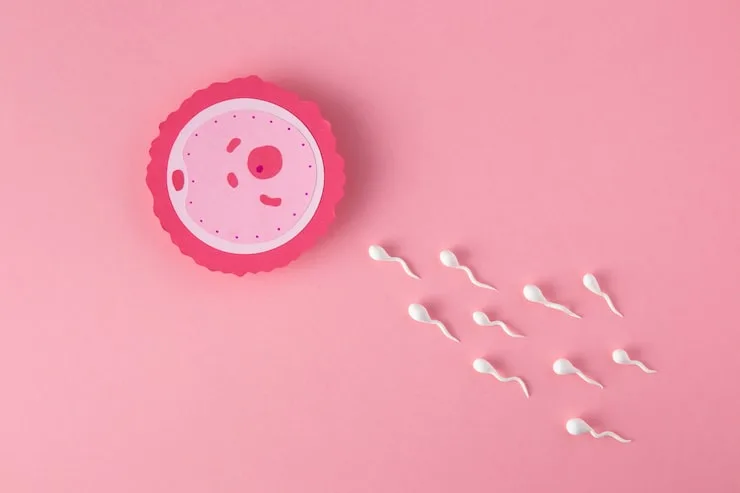
While both IVF and ICSI involve egg fertilization outside the body, the main distinction is in the method:
In IVF, eggs and sperms are mixed together, allowing sperm to naturally penetrate the egg.
In ICSI, a single healthy sperm is injected directly into the egg, increasing success rates, especially for men with low sperm count or motility.
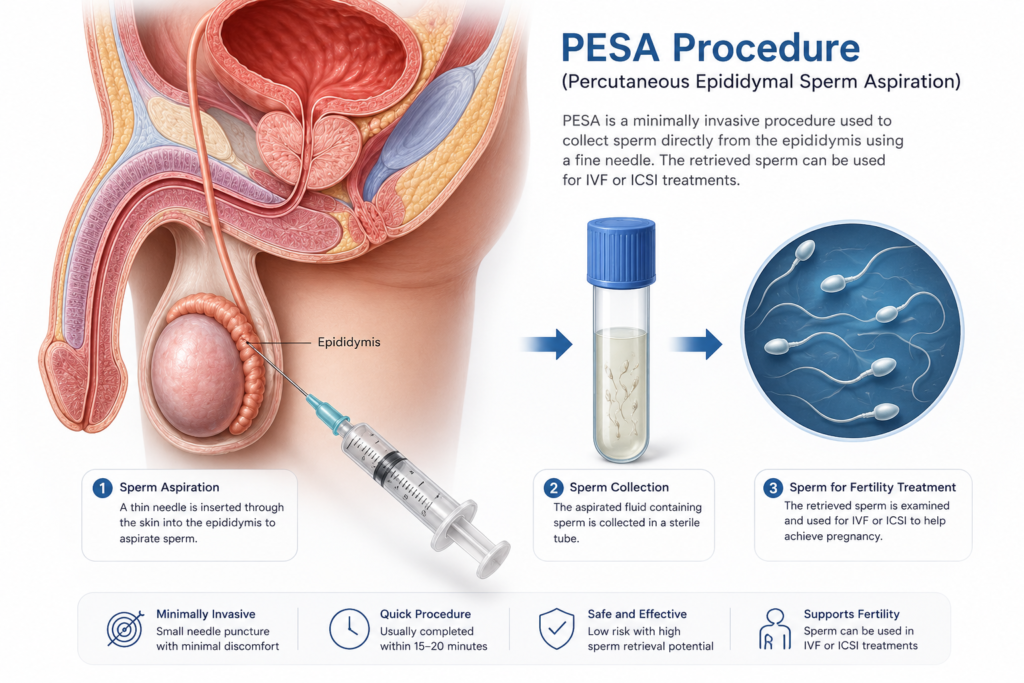
The doctor evaluates the patient’s medical history, fertility condition, and previous test reports before recommending PESA treatment.
Semen analysis and other fertility tests are performed to confirm obstructive azoospermia or related conditions.
The patient is prepared for the procedure and local anesthesia is given to ensure comfort during treatment.
A fine needle is carefully inserted into the epididymis to collect sperm-containing fluid.
The aspirated fluid is collected safely and transferred to the laboratory for examination.
Embryologists examine the sample under a microscope to identify healthy and viable sperm.
Retrieved sperm is used immediately or preserved for assisted fertility treatments like IVF or ICSI.
The patient is discharged after a short recovery period and follow-up guidance is provided for further fertility planning.
The doctor evaluates the patient’s medical history, fertility condition, and previous test reports before recommending PESA treatment.
Semen analysis and other fertility tests are performed to confirm obstructive azoospermia or related conditions.
The patient is prepared for the procedure and local anesthesia is given to ensure comfort during treatment.
A fine needle is carefully inserted into the epididymis to collect sperm-containing fluid.
The aspirated fluid is collected safely and transferred to the laboratory for examination.
Embryologists examine the sample under a microscope to identify healthy and viable sperm.
Retrieved sperm is used immediately or preserved for assisted fertility treatments like IVF or ICSI.
The patient is discharged after a short recovery period and follow-up guidance is provided for further fertility planning.
Sperm freezing treatment costs generally include the initial fertility consultation, semen analysis, sperm collection procedure, laboratory processing, cryopreservation, and storage charges. The total cost may vary depending on the number of samples stored, freezing technology used, and storage duration selected by the patient.
The total sperm freezing cost is usually divided into fertility assessment, semen analysis, sperm preparation and washing, cryopreservation procedure, laboratory handling, and annual storage fees. Advanced laboratory techniques help preserve sperm quality and improve future fertility treatment outcomes.
Additional charges may apply for advanced semen testing, viral marker screening, multiple sample collections, extended storage duration, emergency freezing procedures, or future fertility treatments such as IUI, IVF, or ICSI using frozen sperm samples. Costs may vary based on individual treatment needs.
The overall sperm freezing cost can be influenced by semen quality, number of samples collected, storage duration, laboratory infrastructure, fertility specialist expertise, and additional fertility evaluations required before the procedure. The type of cryopreservation technology used may also impact pricing.
Selecting suitable storage plans, understanding package inclusions, freezing samples early when sperm quality is better, and discussing transparent pricing options with fertility specialists can help optimize overall sperm freezing costs while ensuring safe and reliable fertility preservation.
Studies suggest that babies born through PESA with IVF/ICSI are generally healthy and comparable to naturally conceived babies.
No direct birth defects have been specifically linked to the PESA procedure itself, and any potential risks are usually associated with underlying fertility conditions rather than the treatment.
Percutaneous Epididymal sperm aspiration is a procedure used to retrieve sperm directly from the epididymis in men with infertility.
The procedure is performed under local anesthesia, so discomfort is minimal.
Men with obstructive azoospermia or blockage in sperm flow are ideal candidates.
It is highly effective in suitable cases, especially when sperm production is normal.
Yes, the retrieved sperm can be frozen and used later in IVF or ICSI treatments.

Our experienced fertility specialists provide expert care for male infertility treatments using advanced sperm retrieval techniques for accurate and safe procedures. Every treatment is performed with a patient-focused approach to ensure comfort, safety, and better outcomes.
We offer personalized treatment plans based on individual fertility needs and medical history while maintaining ethical and transparent care. Patients also receive complete guidance and comprehensive support throughout their fertility journey.